Eye Color Chart
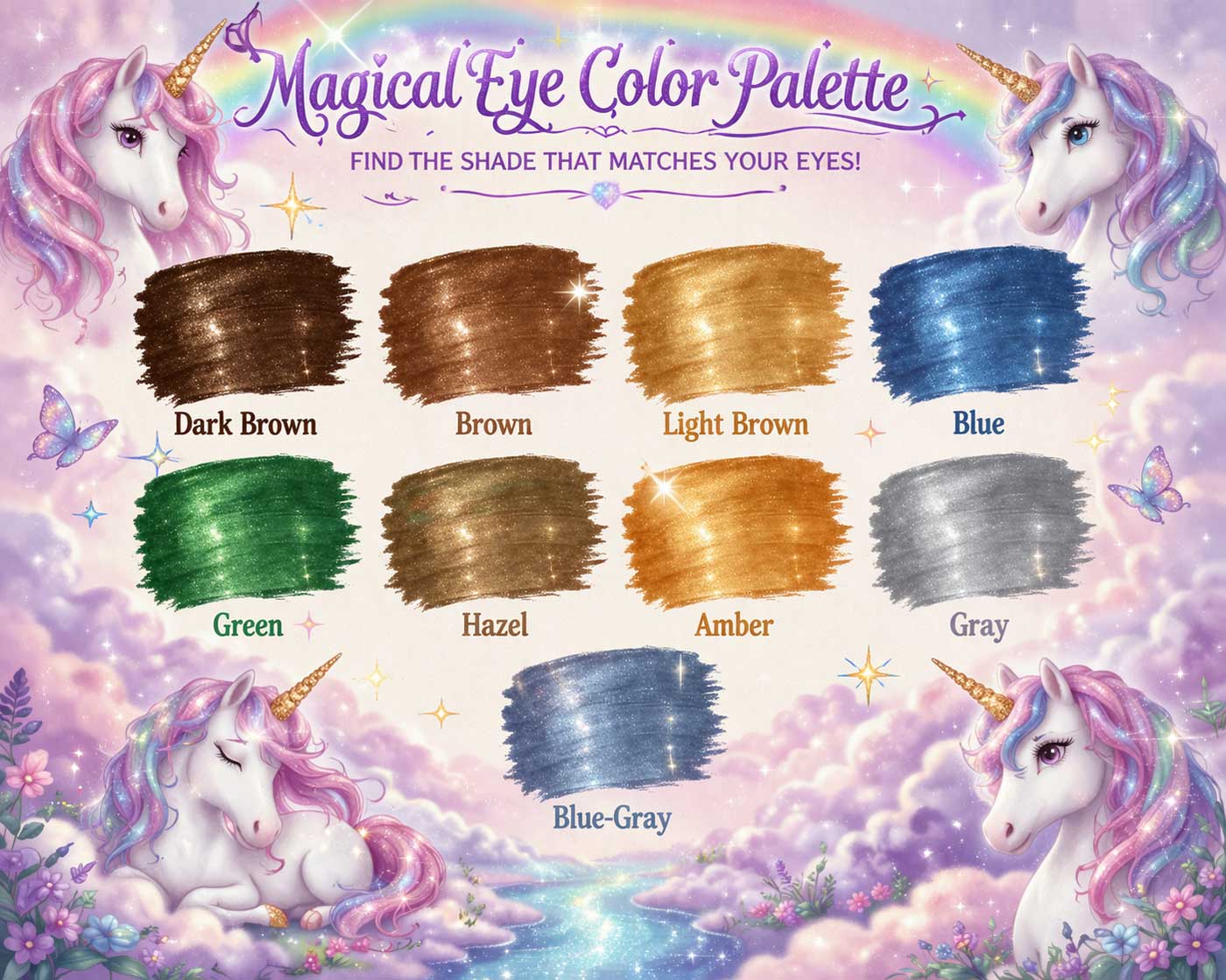
Use this eye color chart to compare the main eye colors side by side, from common brown eyes to rare green, gray, amber, violet-looking, and red-looking eyes. Some eyes are easy to recognize right away. Others shift with light, mix several tones, or sit between two close colors.
Start with the color your eyes look like most often in soft natural light. Then compare the closest second color if your eyes change between rooms, photos, or different times of day.
Quick answer
An eye color chart helps you compare brown, blue, green, hazel, amber, gray, blue-gray, violet-looking, red-looking, and mixed eye colors in one place. For the clearest result, look at your eyes in natural light, choose the color you notice first, then use the comparison guides if another color feels close.
Why an eye color chart helps
Eye color is easier to understand when you can compare nearby shades together. Green and hazel can look similar. Gray and blue can shift depending on the light. Amber and light brown can both look warm and golden. A chart gives you a calm starting point before you go deeper.
It also helps when other people describe your eyes differently than you do. One person may see green, another may see hazel, and a photo may make the same eyes look more gold, gray, or blue. A side-by-side chart makes those differences easier to sort out.
If your eyes still feel hard to place, follow the closest comparison guide after using the chart.
The main eye colors to compare
Brown eyes are the most common worldwide, but they can still vary from deep dark brown to softer light brown or golden brown.
Blue eyes are a cool-toned eye color that can look brighter, deeper, or softer depending on light. Some blue eyes may look gray or blue-gray in certain settings.
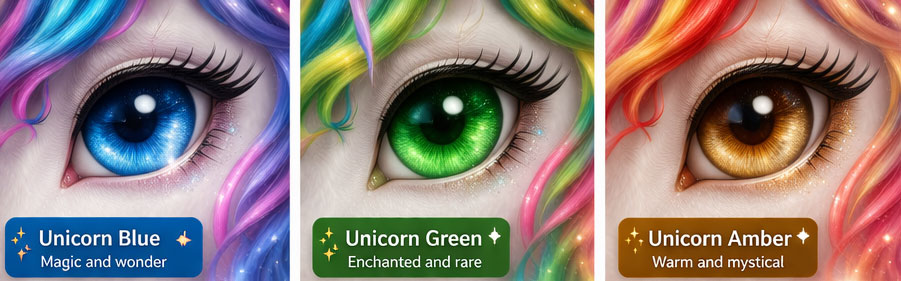
Green eyes are rare and often stand out because they can carry earthy, golden, or mossy tones. If your eyes look partly green and partly brown or gold, compare green vs hazel eyes.
Hazel eyes usually blend more than one color, often green, brown, and gold. They can look different in daylight, indoor light, and close-up photos.
Amber eyes are warm, golden, coppery, or honey-like. True amber usually looks more even than hazel and less brown than light brown.
Gray eyes can look silver, smoky, blue-gray, or cool blue depending on the light. If you are torn between the two, visit gray vs blue eyes.
Mixed and shifting eye colors
Some eyes do not fit neatly into one simple color. Hazel can shift between green, brown, and gold. Blue-gray can move between cool blue and soft gray. Central heterochromia can create a different-colored ring around the pupil that changes the overall look of the eye.
Mixed eyes are not a problem. They are one of the reasons eye color is so interesting. Instead of forcing one answer too quickly, look at the color that appears strongest in natural light, then compare the second closest color.
If one eye looks different from the other, or one section of your iris has a noticeably different color, visit the heterochromia guide.
Rare eye colors on the chart
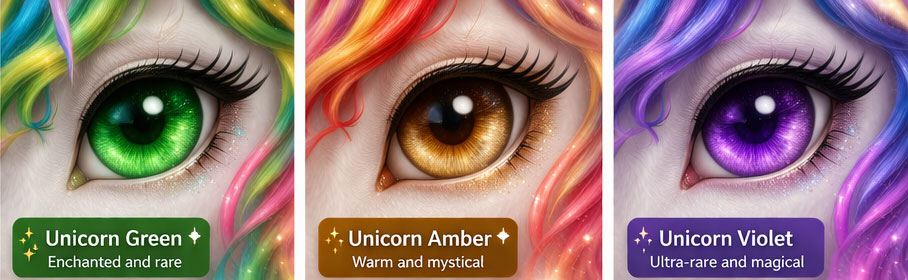
Green, gray, and amber are often among the rarest standard eye colors people search for. They are uncommon, memorable, and easy to confuse with nearby shades.
Violet eye color is different because true violet-looking eyes are extremely rare, and many eyes that seem violet are actually pale blue, gray, blue-gray, or red-toned eyes in unusual light. If your main question is whether purple-looking eyes are natural, read are violet eyes real?.
Red eye color is also best understood as a rare eye appearance rather than a standard everyday eye color. Red or pink-looking eyes are usually connected with very low iris pigment, light reflection, or albinism-related eye appearance. For the quick answer, visit are red eyes real?.
How to check your own eyes using the chart
Stand near a window during the day and look at your eyes in soft natural light. Avoid direct glare, flash, heavy filters, and colored lighting. Those can all push your eyes warmer, cooler, brighter, or darker than they really look.
Notice the first color you see. Then notice the second closest color. If your eyes look mostly green but also show brown and gold, compare green and hazel. If they look mostly blue but sometimes silver, compare blue and gray. If they look golden all over, compare amber, hazel, and light brown.
After that, try the eye color rarity checker for a fun rarity score.
Why photos can make eye color confusing
Photos can change eye color more than people realize. Filters, white balance, shadows, flash, makeup, clothing colors, and screen settings can all affect how an iris appears.
A blue eye may look gray in a shadow. A hazel eye may look greener outdoors. A warm brown eye may look amber in sunlight. Pale blue or gray eyes may even look violet in certain photos.
Use photos as a helpful clue, not the final answer. Soft natural light is usually the best way to compare your real eye color.
How the chart and rarity checker work together
The chart helps you choose the closest eye color. The rarity checker turns that choice into a fun score, a confidence note, and suggested next pages.
If the checker result feels close but not perfect, return to the chart and compare the nearest colors again. Many eyes sit between two shades, and that is completely normal.
For a simple path, use the chart first, try the checker second, then open the comparison guide that matches your closest two colors.