Can Eye Color Change Over Time?
Eye color can seem to change over time, and sometimes it really does. For many people, the difference comes from lighting, photos, clothing colors, pupil size, or the mixed tones inside the iris. For babies and young children, eye color can truly settle as they grow.
If your eyes look blue one day, gray the next, or greener outdoors than indoors, you are not imagining the shift. Eye color can be surprisingly subtle, especially when your eyes sit between two close shades.
Quick answer
Eye color can appear to change because of lighting, photos, age, clothing colors, pupil size, and nearby reflections. In babies and young children, eye color can also change more genuinely as melanin develops. In adults, a sudden or noticeable eye color change should be checked by an eye-care professional, especially if it comes with pain, redness, light sensitivity, injury, or vision changes.
Eye color in babies and children
One of the most common real eye color changes happens early in life. Some babies are born with lighter eyes that become darker as melanin develops. A baby’s eyes may look blue or gray at first, then shift toward green, hazel, brown, or a darker shade later on.
This is why very early eye color guesses can be uncertain. A child’s eye color may keep settling for months or even years, especially when the starting color is light.
If you are checking a very young child’s eye color, it is best to think of the result as a gentle estimate rather than a final answer.
Lighting and photos can make eye color look different
For many adults, eye color does not truly change as much as it appears to. Natural light, indoor bulbs, cloudy weather, shadows, flash, filters, makeup, and clothing can all change the way the iris looks.
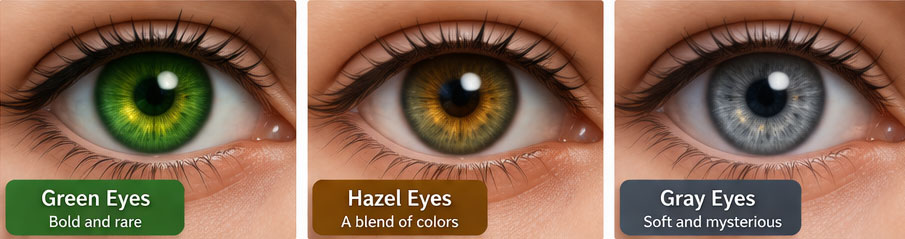
Blue-gray eyes may look bluer in bright daylight and grayer in softer light. Hazel eyes may look greener outdoors and browner indoors. Amber or light brown eyes may look warmer in golden sunlight. Pale blue or gray eyes may even look violet in certain photos.
That is why soft natural light is the best place to check your eye color. Flash photos and edited images can be fun, but they are not always the clearest guide.
Mixed eye colors often seem to change the most
Some eye colors naturally look more changeable because they contain more than one tone. Hazel is a classic example because it can include green, brown, gold, and amber-like warmth. Blue-gray eyes can shift between blue, gray, and silver. Green eyes may look more golden, mossy, or muted depending on the light.
Central heterochromia can also make an eye seem different from one moment to the next. A golden or brown ring near the pupil may stand out in one setting and look softer in another.
If your eyes seem to move between two colors, try the compare hub or the eye color chart before choosing your closest color.
When eye color change is more real
Beyond childhood, true eye color change is less common, but it can happen. Some changes may be connected with aging, eye conditions, injury, inflammation, medication effects, or other health-related causes.
A slow, subtle shift over many years may not feel urgent, but a sudden change should be taken seriously. If one eye changes color, if the white part of the eye looks red, or if you notice pain, light sensitivity, injury, cloudiness, or vision changes, it is best to contact an eye-care professional.
For everyday eye color curiosity, lighting and mixed tones explain many changes. For sudden or uncomfortable changes, eye health comes first.
How to check your eye color more clearly
Stand near a window during the day and look at your eyes in soft natural light. Avoid direct glare, flash, heavy filters, colored lighting, and deep shadows. Those can all make your eyes look warmer, cooler, brighter, or darker than usual.
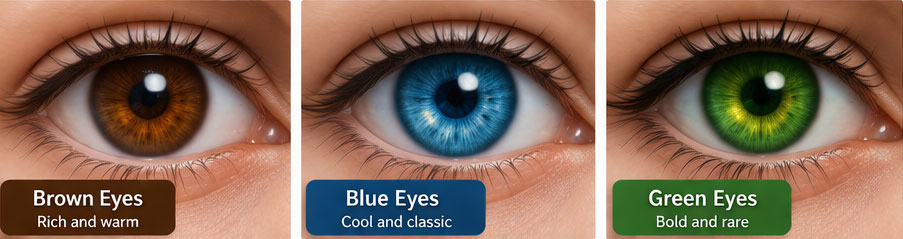
Notice the color you see first. Then notice the closest second color. If your eyes look mostly blue but sometimes silver, compare blue and gray. If they look mostly green but sometimes brown or gold, compare green and hazel. If they look warm and golden all over, compare amber, hazel, and light brown.
For a quick estimate, try the eye color rarity checker after you choose the closest color in natural light.
Best pages to read next
If your eyes seem to shift between cool tones, start with gray vs blue eyes or blue-gray eyes.
If your eyes seem to shift between green, brown, and gold, start with green vs hazel eyes, hazel eyes, or hazel vs amber eyes.
If you are curious about why eye color develops in the first place, visit eye color genetics. If you want a simple visual starting point, use the eye color chart.
Why this question feels so personal
People often ask whether eye color can change because their own eyes seem different from old photos, childhood memories, or what other people have told them. That can feel confusing, especially when the change seems tied to age, weather, light, or mood.
The truth is gentler than a simple yes or no. Sometimes the iris really changes, especially in childhood. Sometimes the eye stays the same, but the color appears different because the light around it has changed.
Both experiences can be real to the person noticing them. The best next step is to compare your eyes calmly in natural light and follow the color that appears most consistently.