How Rare Are Amber Eyes?
Amber eyes are one of the most intriguing stops in the whole collection because they combine rarity with uncertainty. Most people know blue or green right away, but amber still feels faintly mythical. The usual questions are simple: are amber eyes real, how rare are they, and do warm-toned eyes really count as amber or do they belong in hazel or brown instead?
Quick answer
If your goal is a fast answer, amber eyes belong near the rare end of the spectrum. They are usually described as less common than brown, blue, or hazel, and they often appear in “rarest eye color” discussions because they look distinct enough to feel like their own category.
That said, not every warm eye is amber. Many eyes that get called amber are actually hazel, light brown, or amber-leaning hazel. That is why the best amber page does not just celebrate the color. It teaches the reader how to recognize it.
Una’s style works beautifully here because amber already sounds magical. The page can feel enchanted while still being honest about the label.
What amber eyes usually look like
Amber eyes tend to look warm, rich, and golden. Some people call them honey-colored. Others see copper, bronze, or a soft golden glow. The important idea is that true amber usually looks warm first, not green first and not brown first.
That warmth matters because it separates amber from hazel. Hazel usually looks mixed. Amber usually looks more unified. If the eye feels like it contains a steady warm tone across much of the iris, amber becomes a stronger possibility.
This is one of the most useful descriptive sections because most people are trying to identify their eyes visually, not academically. Clear visual language works better than technical jargon here.
Why amber eyes are considered rare
Amber eyes are considered rare because relatively few people have a clearly amber appearance rather than a more common brown or mixed hazel look. Even among lighter or unusual eye colors, amber stands out because it looks different enough to deserve separate treatment.
Another reason amber feels rare is that many people have never knowingly seen a true amber eye in person. That unfamiliarity adds to the mystique and sends a lot of people looking for closer comparisons.
Amber vs hazel and brown
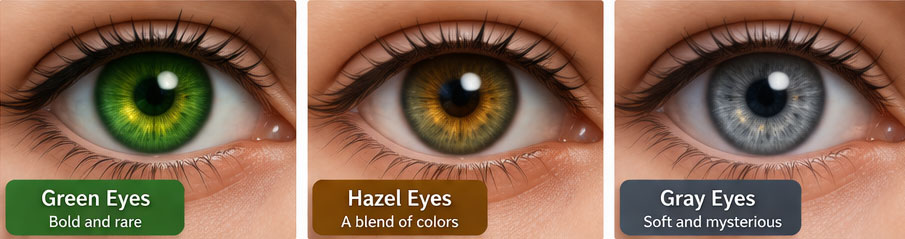
The biggest source of confusion is hazel. Hazel often includes warm gold or brown tones, but it usually also contains a visibly mixed pattern. Amber usually feels more consistently warm across the iris. It may still shift in different light, but the overall impression is often cleaner and less mixed than hazel.
Brown is the other common mix-up. Light brown eyes can look warm and beautiful, but they usually read more brown than golden. Amber tends to look lighter, more luminous, and more coppery or honey-like. The difference is not always dramatic, which is why the amber vs brown comparison page is important.
It helps to admit that some eyes truly sit near the border. That honesty is better than pretending every eye can be sorted instantly.
How lighting changes the look of amber eyes
Warm eye colors can be especially sensitive to lighting. In bright natural light, amber eyes may look more golden. Indoors, they may appear deeper, richer, or slightly browner. Camera filters can make them look more dramatic than they really are. This does not make amber a fake category. It simply means context matters.
That is why your checker’s natural-light prompt is helpful. It reminds the reader that the best color judgment usually happens in steady daylight, not under dramatic bulbs, tinted windows, or beauty filters.
It is completely normal to waver between amber and hazel. That is exactly why the compare pages exist.
Why amber matters so much on Rarest Eye Color
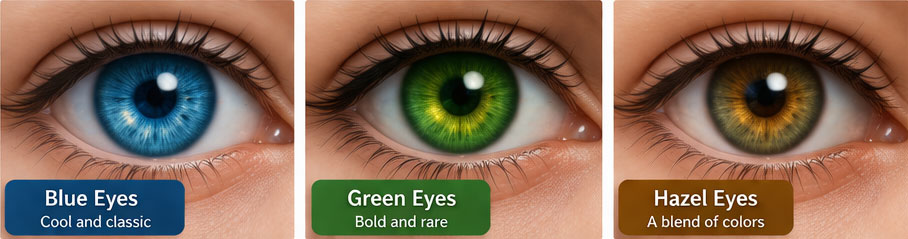
Amber naturally leads to hazel, brown, the chart, and the rarest-eye-color trail because the shade sits so close to several other warm answers.
Amber looks like sunlit honey or a tiny golden ember when the light catches it right. That warmer language fits the color without making it silly.
The final takeaway is simple. True amber eyes are rare, warm-toned, and distinctive. If your eyes read golden or coppery first rather than mixed or plainly brown, amber is worth serious consideration.
What amber rarity means in practice
When people hear that amber eyes are very rare, they often picture something almost impossible to find. The more helpful way to frame it is this: amber is unusual enough that many people have never confidently identified a real example in person, but not so mysterious that it cannot be explained or recognized with care.
That practical framing matters because it keeps the page from sounding exaggerated. Amber is rare, but it is still a real category with recognizable traits. The collection becomes more useful when it treats amber as uncommon and special without drifting into fantasy-only language.
Amber belongs near the very rare end of the standard eye-color spectrum, which is why it connects so naturally to the rarest-eye-color trail.